
Articles & Guides
How do you get back into sports after losing a limb?
TL;DR
Amy Purdy lost both legs below the knee at nineteen and was back on a snowboard that same season. Move United’s member organizations run adaptive sports programs in 45 states, and you find your nearest by searching your location on its site. Grants exist for the equipment, from the Challenged Athletes Foundation and, for veterans, from the VA.
How soon can you get back into sport?
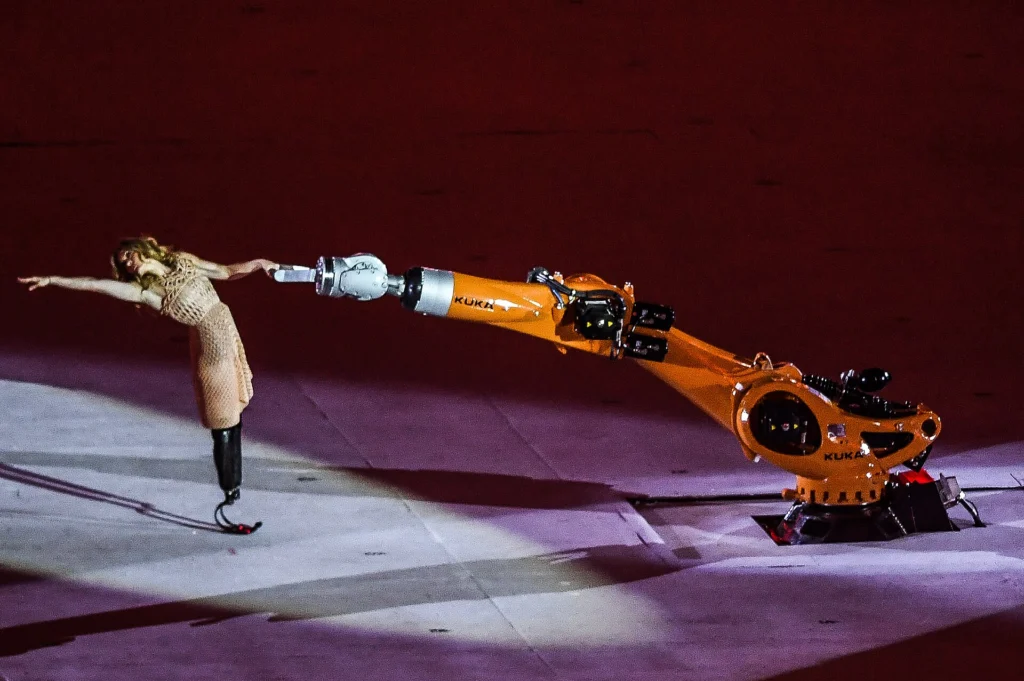
Amy Purdy lost both legs below the knee to bacterial meningitis at age nineteen. She was back on a snowboard that same season, riding on her snowboard with feet she made herself. She went on to win three Paralympic medals and retired from Para Snowboarding in March 2022 after a thirteen-year career. Her own account of those years is in On My Own Two Feet, and the short film Amy Purdy: Adaptive Action Sports covers the next stage of her life afterwards.
Where do you find a program?
Move United is the main network in the United States. It has 257 member organizations across 45 states and has been running since 1956. It serves more than 131,000 young people and adults a year. You search by location on its site to find the ones near you.
How much does the equipment cost, and who usually pays?
A running prosthesis, a sport chair or a handcycle is a separate device from the one you would use during your daily activities, and that can lead to cost challenges and the insurance problems. The Challenged Athletes Foundation gives grants for exactly this. It has awarded 4,033 grants worth more than seven million dollars, covering sport chairs, handcycles and sports prostheses, along with training, coaching, competition and travel. Recipients came from households earning under fifty thousand dollars a year, and close to a quarter were receiving a grant for the first time.
What if you served in the military?
The VA runs its own adaptive sports grant program. It announced sixteen million dollars in its latest cycle and has awarded over a hundred and sixty million since the program started. The money goes to the organizations that run the programs, not to individuals, and it covers archery, skiing, cycling, wheelchair softball, hunting and fishing among others.
Will insurance pay for a sports prosthesis?
Insurers have generally not treated a prosthesis built for sport as medically necessary, which leaves the person paying. Since 2022 a campaign called So Every BODY Can Move, launched by four prosthetics and amputee organizations, has been getting state laws passed that require insurers to cover them. Requirements vary by state, so the campaign is the place to check where your state stands.
What are some more solutions?
Amy Purdy went looking for a program after she lost her legs and could not find one, so she and Daniel Gale started Adaptive Action Sports in 2005. It runs winter snowboarding from its Mountain Center at Copper Mountain in Colorado, and skateboarding and surfing camps in summer. Its headquarters has free adaptive gaming stations. It works with youth, young adults and wounded veterans living with permanent physical disabilities. It also worked with USA Snowboarding to create the first adaptive snowboarding competition division, and helped get adaptive events into both the summer and winter X Games.
Frequently Asked Questions
How soon can someone get back into sport after an amputation?
It varies, but it can be fast. Amy Purdy lost both legs below the knee to bacterial meningitis at nineteen and was back on a snowboard that same season, on snowboard feet she made herself. She went on to win three Paralympic medals.
Where do you find an adaptive sports program?
Move United is the main network in the United States, with 257 member organizations across 45 states. You search by location on its site to find the ones near you. It has been running since 1956 and serves more than 131,000 young people and adults a year.
Who pays for adaptive sports equipment?
Grants are a great option. The Challenged Athletes Foundation awarded 4,033 grants worth more than seven million dollars, covering sport chairs, handcycles and sports prostheses along with training and travel. Recipients came from households earning under fifty thousand dollars a year.
Does insurance pay for a sports prosthesis?
Often not. Insurers have generally not treated a prosthesis built for sport as medically necessary. Since 2022 a campaign called So Every BODY Can Move has been getting state laws passed that require insurers to cover them, and requirements vary by state.
Is there help for veterans specifically?
Yes. The VA runs its own adaptive sports grant program, announcing sixteen million dollars in its latest cycle. The grants go to the organizations that run the programs.