
Organization
TL;DR
Leave No Trace is a nonprofit in Boulder, Colorado, that teaches seven principles for low-impact time outdoors. It became an independent nonprofit in 1994.
Leave No Trace is a supporter-based nonprofit dedicated to protecting the outdoors through science-based education that inspires responsible recreation. As more people visit parks, trails and public lands, it focuses on prevention, and millions of people each year benefit from its programs and materials.
Its origins can be traced to guidelines the U.S. Forest Service, National Park Service and Bureau of Land Management distributed in the 1960s and 70s, aimed at minimizing human impact on public lands.
Why OGSP Recommends It
One Good Story Project recommends Leave No Trace Center for Outdoor Ethics because it teaches people how to prevent damage to the places they enjoy. Its approach starts before costly restoration or restrictions on access become necessary, helping people understand how their actions affect the outdoors and what they can do differently.
Through science, education and stewardship, its programs and materials reach millions of people each year. Its seven principles apply to remote wilderness, neighborhood parks and even your own backyard, making care for the outdoors something people can practice wherever they spend time outside.
Related Resources

Ways To Get Involved
Volunteer, come to an event, or donate. People who want to teach the principles can look into its instructor training.
Key Takeaways
- Leave No Trace's 7 principles are the foundation of everything it teaches.
- Leave No Trace runs Traveling Teams and a free 101 course for people new to the outdoors.
- Abby Taylor, who rode across the country picking up trash in Leave It Better, calls herself a Leave No Trace trainer.
Frequently Asked Questions
What are the seven Leave No Trace principles?
Plan ahead and prepare, travel and camp on durable surfaces, dispose of waste properly, leave what you find, minimize campfire impacts, respect wildlife, and be considerate of others.
What is pack it in, pack it out?
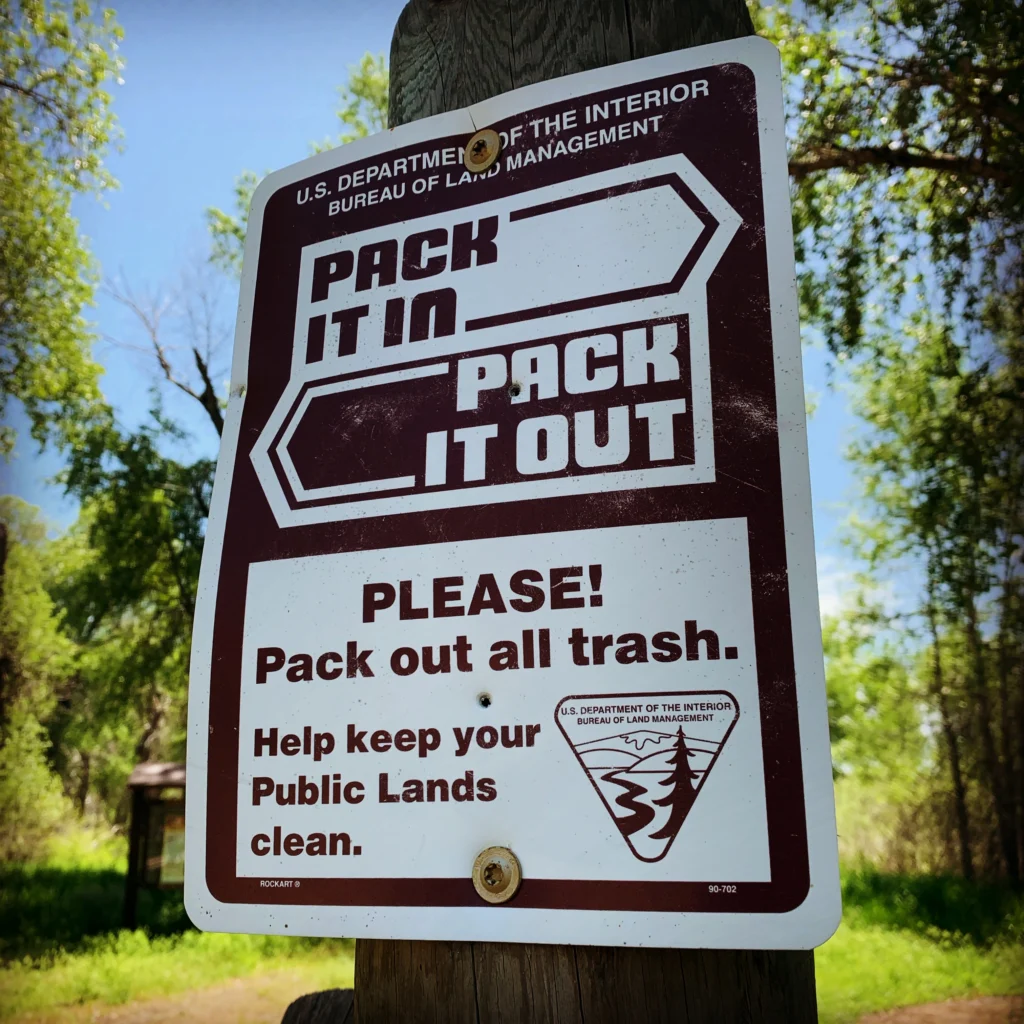
It is part of principle 3, dispose of waste properly. What you carry in comes back out with you, and that includes food scraps and pet waste.
When did Leave No Trace become a nonprofit?
In 1994. It grew from a formal curriculum the U.S. Forest Service developed with the National Outdoor Leadership School in the late 1980s.
How can I learn Leave No Trace?
If you are new to the outdoors, start with the organization's free Leave No Trace 101 course.