
Subtopic Hub
Mental Health Recovery
TL;DR
Recovery is a process of change, and the working definition used across United States mental-health care makes treatment only half of it. The other half is usually having something to be responsible for, which is what Serenity Park and the Lockwood Animal Rescue Center offer. In JAMA Network Open in June 2024, veterans given a trained service dog had 66 percent lower odds of still meeting the criteria for a PTSD diagnosis. The stories and resources on this guide follow the people who found that second half at Lockwood and with each other.
Quick Answers
What does recovery from mental illness actually mean?
The working definition used across U.S. mental-health care describes recovery as a process of change through which people improve their health and wellness and live self-directed lives, resting on four dimensions of health, home, purpose, and community.
Can people recover from PTSD?
Yes. PTSD is treatable, and with proper treatment many people see real symptom improvement within months. Support, purpose, and steady relationships carry the rest. In Can Wolfdogs Help Veterans Heal?, Stan McDonald says the animals at the Lockwood Animal Rescue Center are part of what has kept him sober.
How serious is the youth mental-health crisis?
Serious enough that suicide is the second-leading cause of death for Americans between 10 and 34. Small, human interventions matter. Helice Bridges came close to taking her own life at 37 and created the one-minute blue ribbon ceremony, with a stated mission of one billion people honored.
Editor's Note
Recovery rarely happens in a waiting room, which is why Serenity Park opened on the West Los Angeles VA campus in 2005. There, veterans with PTSD care for abused and neglected parrots. The Lockwood Animal Rescue Center followed in 2009, on 20 acres at Frazier Park, for wolves and wolfdogs. What both places offer is something with a heartbeat to be responsible for, and Lorin Lindner calls that reciprocal recovery.
Featured OGSP Story
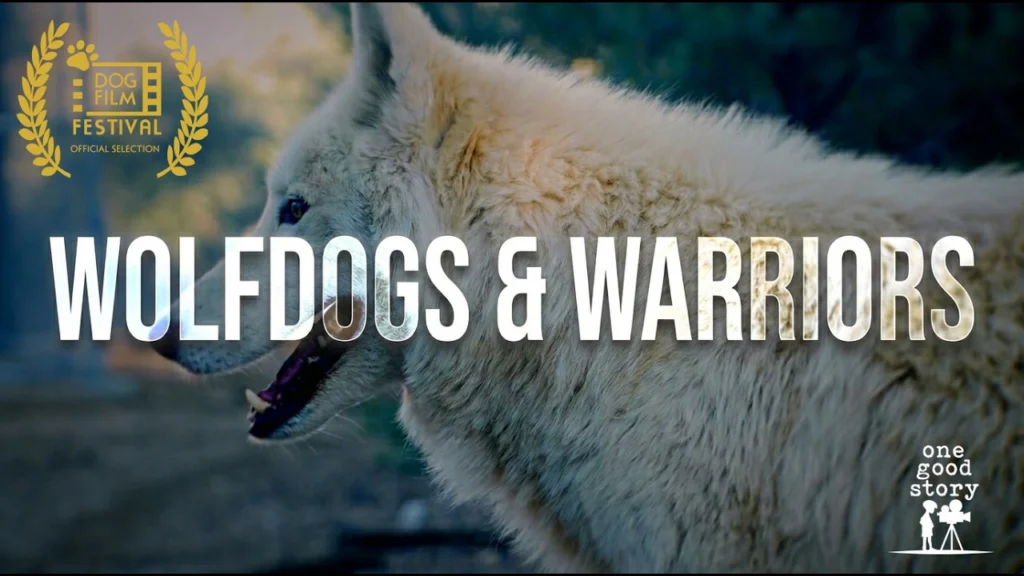
Can Wolfdogs Help Veterans Heal?
Wolf dogs can't live in the wild and can't live in society, and the veterans who care for them at this sanctuary know exactly what that feels like. They both need to trust each other in order to heal.
Watch NowRelated Documentaries
Related Books
Related Organizations

Related Changemakers
Ways To Get Involved
The Lockwood Animal Rescue Center asks people to donate monthly or annually at lockwoodarc.org. Veterans can also join a volunteer day at the Lockwood Animal Rescue Center. New Directions for Veterans asks people to donate or give in-kind goods at ndvets.org. New Directions for Veterans also asks people to hire a veteran.
Key Takeaways
- Lorin Lindner calls it reciprocal recovery, because the animals at the Lockwood Animal Rescue Center arrived carrying their own damage.
- Stan McDonald met Lindner in rehab at New Directions for Veterans and has been at the sanctuary since the beginning of 2009. McDonald says the animals at Lockwood are part of what has kept him sober.
- In JAMA Network Open in June 2024, clinicians who did not know which group a person was in put the odds of still meeting the criteria for a PTSD diagnosis at 66 percent lower among veterans given a trained service dog.
- Helice Bridges came close to taking her own life at 37. Nearly everyone Helice Bridges honors with a blue ribbon tells her no one has ever told them they mattered.
Frequently Asked Questions
What happens to a wolfdog that cannot be released or kept?
A wolfdog cannot be released into the wild, because its dog genes will not let it survive there, and it cannot settle into a house either becuase of it's Wolf genetics, so sanctuary is the only humane option. The Lockwood Animal Rescue Center gives permanent homes to wolves, wolfdogs, coyotes, foxes, horses and parrots rescued from illegal breeding operations, roadside zoos and shelters that would otherwise have to euthanize them.
Where can a veteran start working with animals?
Ask the VA about service-dog eligibility, or look for an accredited equine program, or contact a sanctuary that runs a veteran caretaker program directly. How can animals help veterans with PTSD? sets out what each route involves and who pays for what.
What does reciprocal recovery mean?
It is Dr. Lorin Lindner's term for animals and people who have both been through trauma, healing each other through daily care and the slow build of trust. At the Lockwood Animal Rescue Center the wolves and wolfdogs arrive traumatized too, and the trust that grows between animal and veteran helps both.
Has equine therapy been tested with veterans?
Columbia University's Man O' War Project ran the first university-led trial of equine-assisted therapy for veterans with PTSD. It put 63 veterans through eight weekly sessions of grooming, leading and trust work, with brain scans before and after, and used the results to publish a treatment manual.
How did Stan McDonald end up at the sanctuary?
He spent ten years in the Navy Seabees and met Dr. Lorin Lindner while he was in rehab at New Directions for Veterans, the Los Angeles nonprofit that has housed and rehabilitated veterans since 1992. She asked him to help build the sanctuary, and he has been there since the beginning of 2009.
What is the blue ribbon ceremony?
Helice "Grandma Sparky" Bridges created the "Who I Am Makes A Difference" Blue Ribbon Ceremony after coming close to taking her own life at 37. Her story reached the first Chicken Soup for the Soul book, and the ribbon has since reached hundreds of thousands of people through her own hands and many more through schools, workplaces and seminars.
What does the research say about service dogs?
The largest test so far was published in JAMA Network Open in June 2024. Marguerite O'Haire at the University of Arizona College of Veterinary Medicine followed 156 serving military members and veterans who all had a PTSD diagnosis. Eighty-one received a trained service dog and 75 stayed on the waiting list. After three months the group with dogs reported lower PTSD symptom severity, and clinicians who did not know which group a person belonged to put the odds of that person still meeting the criteria for a PTSD diagnosis at 66 percent lower among those with a dog.
Does the Department of Veterans Affairs provide a service dog?
Currently no. It refers an approved veteran to an organization accredited by Assistance Dogs International or the International Guide Dog Federation, which provides the dog and its training at no charge. The VA then pays for that dog's veterinary care for its working life, including medication and emergency treatment, and for replacement harnesses and leads.
Where do veterans care for rescued wolfdogs?
At the Lockwood Animal Rescue Center, 20 acres in Frazier Park, California, founded in 2009 by clinical psychologist Lorin Lindner. Its Warriors and Wolves program brings in combat veterans working through PTSD to handle the animals' daily care, and veterans also get practical job training in animal care and emergency response.
What is Serenity Park?
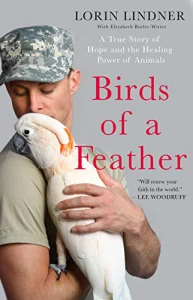
A sanctuary Dr. Lorin Lindner opened in 2005 on the West Los Angeles VA campus, where veterans with PTSD care for abused and neglected parrots. She tells that story in Birds of a Feather: A True Story of Hope and the Healing Power of Animals, written with Elizabeth Butler-Witter and published by St. Martin's Press in 2018.
Can caring for an animal be treatment in itself?
In a caretaking program the veteran is responsible for animals that need looking after, instead of being the one looked after. At the Lockwood Animal Rescue Center combat veterans handle the animals' daily care, veterans come out from the VA hospital each month to spend time on the land, and some train as veterinary assistants while they are there.