Articles & Guides
How Can Young People Make a Difference in Their Community?
TL;DR
A young person can make a real difference in about a minute, simply by telling one person why they matter. In our film, an 83-year-old Helice "Grandma Sparky" Bridges built a movement on that act. Jack Canfield tell the story of how one father used it on his teenage son the night the boy had planned to end his life, so in a matter of one minute and those words reached his son and saved his life.
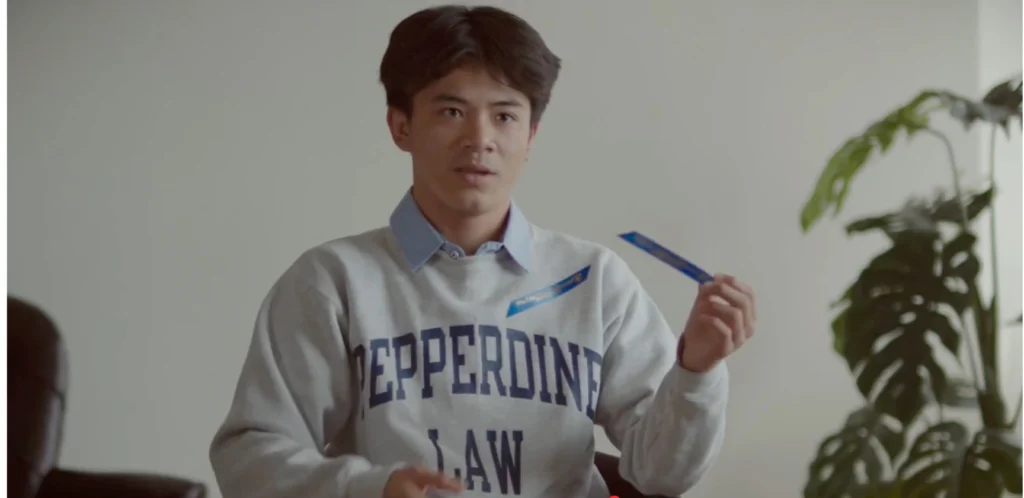
A great way for a young person to do something for someone in their community takes about a minute and costs absolutely nothing. So many times you don’t need to do some huge project that takes a massive amount of energy. It could be something as simple as telling a single person the specific reason they matter to you and why they just matter in general. This is so important especially for young people who have been suffering an epidemic of self-esteem issues. Our film follows Grandma Sparky, the woman who turned that one act into a movement.
What’s a simple first step a young person can take?
One of the simplest things is to tell someone that they matter. Name the exact thing about them that makes a difference, and say it to them in person. People just want to know they do matter and someone cares. Grandma Sparky, whose real name is Helice Bridges, turned that idea into a 60-second ceremony anyone can learn. It goes something like this. You tell the person exactly how they make a difference and place a blue ribbon that reads “Who I Am Makes a Difference” over their heart. Then you hand them two more ribbons to pass on to someone else, and that’s it.
Why does telling someone they matter change anything?
In our film Grandma Sparky, Jack Canfield tells a story about a father who used the ribbon to honor his teenage son. He learned afterward that the boy had planned to take his own life that night, and the ribbon reached him first. That is what an honest, heartfelt word can do for someone who has secretly decided they don’t count.
That story is not as rare as we’d hope. The CDC reports that suicide is the second-leading cause of death for people ages 10 to 34, a fact the film points to. Being told that you make a difference is one small real step a young person can offer another young person, today, and it is absolutely free.
How can students do this at their own school?
Students can bring the ceremony straight into a classroom or a lunch table. Blue Ribbons Worldwide, Grandma Sparky’s nonprofit, teaches kids to honor each other in 60 seconds or less, and the goal she is chasing is one billion people honored. In a classroom that learns it, kids get practice saying the good part out loud instead of keeping it in.
If you’d rather start with a project than a ribbon, there are other doors. You could mentor a younger kid or join other young people already doing the work.
Does one small act really add up to anything?
One small act definitely adds up. You never know, that person you just gave a hug to and told they matter, you may have just saved their life. With Grandma Sparky’s program every ribbon someone receives comes with two more to give away. When Jack Canfield, who co-created the Chicken Soup for the Soul books, handed out hundreds of the ribbons at his seminars, our film says 35,000 people were honored within three months.
Frequently Asked Questions
What is the blue ribbon that says “Who I Am Makes a Difference”?
It is a blue ribbon used in a short acknowledgment ceremony created by Helice "Grandma Sparky" Bridges. You place it over someone's heart while telling them exactly how they make a difference, then give them two more to pass on. Her nonprofit, Blue Ribbons Worldwide, has spread the ceremony for decades.
Who is Grandma Sparky?
Grandma Sparky is Helice Bridges, an 83-year-old woman from Carlsbad, California, who created the "Who I Am Makes a Difference" ribbon. She started it after surviving an abusive marriage and nearly ending her own life at 37.
How do you do the blue ribbon ceremony?
It takes about a minute. You tell the person exactly how they make a difference and place the ribbon above their heart. Then you hand them two more ribbons to give to people who matter to them.
Can young people really make a difference in their community?
Yes. The acknowledgment ceremony in our film takes about a minute and needs nothing but honesty and compassion, so a student can do it easily. And a young person is probably the one sitting next to the classmate who feels unseen, so their words can reach someone an adult never gets close to.