
Our Stories
Can Wolfdogs Help Veterans Heal?
9:32
TL;DR
Wolf dogs can't live in the wild and can't live in society, and the veterans who care for them at this sanctuary know exactly what that feels like. They both need to trust each other in order to heal.
Key Takeaways
- Wolf dogs don't work as pets. They escape almost any enclosure, and their dog genetics mean they can't be released into the wild either.
- The sanctuary pairs rescued animals with veterans because both know what it's like to be stuck between two worlds.
- Trust is the treatment. Nobody, human or animal, is forced into a relationship they don't want.
- Stan McDonald, a Navy Seabees veteran, has helped run the rescue since 2009 and credits the animals with keeping him sober.
- Founder Dr. Lorin Lindner wants wolf dog breeding outlawed, and has offered to help write the legislation herself.
Story Summary
People buy wolf dogs because they want to own a little piece of the wild. It almost never ends well. The animals clear eight-foot fences, they can't settle into a house, and they can't be released either, because they're part dog. They end up caught between two lives. Dr. Lorin Lindner runs a sanctuary for the ones who had nowhere left to go, and she noticed something about the veterans she invited to work there. They understood that in-between feeling better than anyone.
One of them is Stan McDonald, who spent ten years in the Navy Seabees and met Lorin while he was in rehab. He helped her build the rescue in 2009 and never left. He'll tell you plainly that the animals keep him sober. Veterans still come every month from the VA hospital, and the healing runs both ways. The wolf dogs arrive with their own trauma, trust comes slowly on both sides, and nobody is forced into a relationship they don't want. The sanctuary calls it reciprocal recovery.
Being accepted into a wolf pack takes patience but what it offers is invaluable. Lorin would rather the sanctuary didn't need to exist at all. She wants wolf dog breeding outlawed and has offered to help write the legislation herself. Until then, this is a film about finding a purpose, told by people and animals who found theirs in each other.
Learn more about Lockwood Animal Rescue and how you can help Wolfdogs and recovering VETS at https://lockwoodarc.org/
Transcript
Related Resources
Organizations

Changemakers
Books
Documentaries
Podcasts
Frequently Asked Questions
Are wolf dogs good pets?
They don't make good pets, wolf dogs can leap eight-foot fences and dig their way out of almost any enclosure, and the people who try to keep them at home usually wind up having to give them up. They are dangerous around other pets and children. Lorin Lindner the sanctuary's founder says the only reason someone would buy one is ego, and believes the breeding should stop.
Who is Dr. Lorin Lindner?
Dr. Lorin Lindner is a clinical psychologist who co-founded the Lockwood Animal Rescue Center and founded Serenity Park, pairing people recovering from trauma with animals recovering from the same. Her work appears in One Good Story Project's film on veterans and animals.
How did Stan McDonald end up at the sanctuary?
He spent ten years in the Navy Seabees and met Dr. Lorin Lindner while he was in rehab at New Directions for Veterans, the Los Angeles nonprofit that has housed and rehabilitated veterans since 1992. She asked him to help build the sanctuary, and he has been there since the beginning of 2009.
Who founded the Lockwood Animal Rescue Center?
Clinical psychologist Lorin Lindner and Navy veteran Matt Simmons, the couple featured in the Animal Planet series Wolves and Warriors.
What is the Lockwood Animal Rescue Center?
A sanctuary in Frazier Park, California that rescues wolves and wolfdogs bred for domestic life, and gives combat veterans recovering from trauma a place to work and heal.
Does the Lockwood Animal Rescue Center only rescue wolves?
No. It takes in wolfdogs and other animals bred for domestic life, and it also works to protect wolves in the wild.
What is the wolfdog program for veterans called?
The program at the Lockwood Animal Rescue Center in California is called Warriors and Wolves. It pairs veterans, employed as caretakers, with rescued wolfdogs. It appears in the One Good Story Project film "Can Wolfdogs Help Veterans Heal?" and the Animal Planet docu-series "Wolves and Warriors".
How is New Directions for Veterans connected to the wolfdog film?
It’s where Stan McDonald met Dr. Lorin Lindner, the meeting that eventually led him to the wolfdog sanctuary.
What exactly is a wolfdog?
A wolfdog is a hybrid canid with both wolf and domestic dog in its recent ancestry, most often a gray wolf crossed with a German Shepherd, Husky, or Malamute. Sanctuaries classify wolfdogs as low, mid, or high wolf content using ancestry, physical traits, and behavior together.
Are wolfdogs legal to own in the United States?
Wolfdogs are legal in some states and banned in others. About a dozen states and the District of Columbia prohibit ownership, others require permits, and local ordinances are often stricter than state law, according to the legal-reference site LegalClarity's state-by-state summary. Always check city and county rules as well as your state's.
What happens to a wolfdog that cannot be released or kept?
A wolfdog cannot be released into the wild, because its dog genes will not let it survive there, and it cannot settle into a house either becuase of it's Wolf genetics, so sanctuary is the only humane option. The Lockwood Animal Rescue Center gives permanent homes to wolves, wolfdogs, coyotes, foxes, horses and parrots rescued from illegal breeding operations, roadside zoos and shelters that would otherwise have to euthanize them.
What book did Lorin Lindner write about Serenity Park?
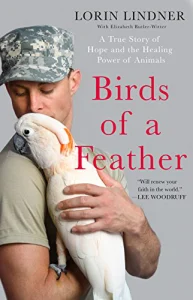
Dr. Lorin Lindner wrote Birds of a Feather, published by St. Martin's Press in 2018, about the Serenity Park sanctuary where veterans with PTSD care for rescued parrots.
Where do veterans care for rescued wolfdogs?
At the Lockwood Animal Rescue Center, 20 acres in Frazier Park, California, founded in 2009 by clinical psychologist Lorin Lindner. Its Warriors and Wolves program brings in combat veterans working through PTSD to handle the animals' daily care, and veterans also get practical job training in animal care and emergency response.
Do wolfdog sanctuaries adopt animals out?
Most wolfdog sanctuaries do not adopt animals out. The Lockwood Animal Rescue Center, featured in the One Good Story Project film "Can Wolfdogs Help Veterans Heal?", keeps every rescue for life, because the animals it receives were already failed by home ownership once. Rescues that do adopt out typically require specialized fencing, wolfdog experience, and homes without small children.
What happens to wolfdogs that owners give up?
Surrendered wolfdogs either reach a sanctuary or, in many cases, are euthanized. They cannot be released to the wild and rarely qualify for rehoming like a dog. The docu-series "Wolves and Warriors" follows the Lockwood Animal Rescue Center taking in exactly these animals.
How can I support the sanctuary?
You can give to the Lockwood Animal Rescue Center at lockwoodarc.org, once or as monthly giving. Monthly gifts cover daily care, nutrition, enrichment and veterinary care, especially for elderly and special-needs animals. The sanctuary also keeps an Amazon wish list of supplies such as large dog beds and heated water troughs.
Why can’t the sanctuary release its wolf dogs into the wild?
Because they're part dog. Their wolf instincts pull them toward the wild, but their dog genetics mean they couldn't survive there. The sanctuary builds the largest enclosures it can and lets each animal choose how much human contact it wants.
How are veterans involved with the sanctuary?
Veterans visit every month from the VA hospital, volunteer on veteran days, and some even train as veterinary assistants. Working with the animals builds patience and rebuilds trust, which is what many veterans with PTSD are in need.
What does the film mean by reciprocal recovery?
The rescued animals arrive with trauma of their own, out of illegal breeding operations and years of neglect and confinement. As the veteran and the animal learn to trust each other, both heal. The sanctuary calls it a mutual healing process.
Who runs the sanctuary?
Dr. Lorin Lindner founded it after a lifetime of working with both veterans and animals. Stan McDonald, a Navy Seabees veteran she met while he was in rehab, helped her build the rescue in 2009 and has run it with her ever since. He says the animals help keep him sober.