
Articles & Guides
Rapid re-housing vs permanent supportive housing
TL;DR
HUD caps rapid re-housing at 24 months with no disability test, while permanent supportive housing runs with no end date and requires one.
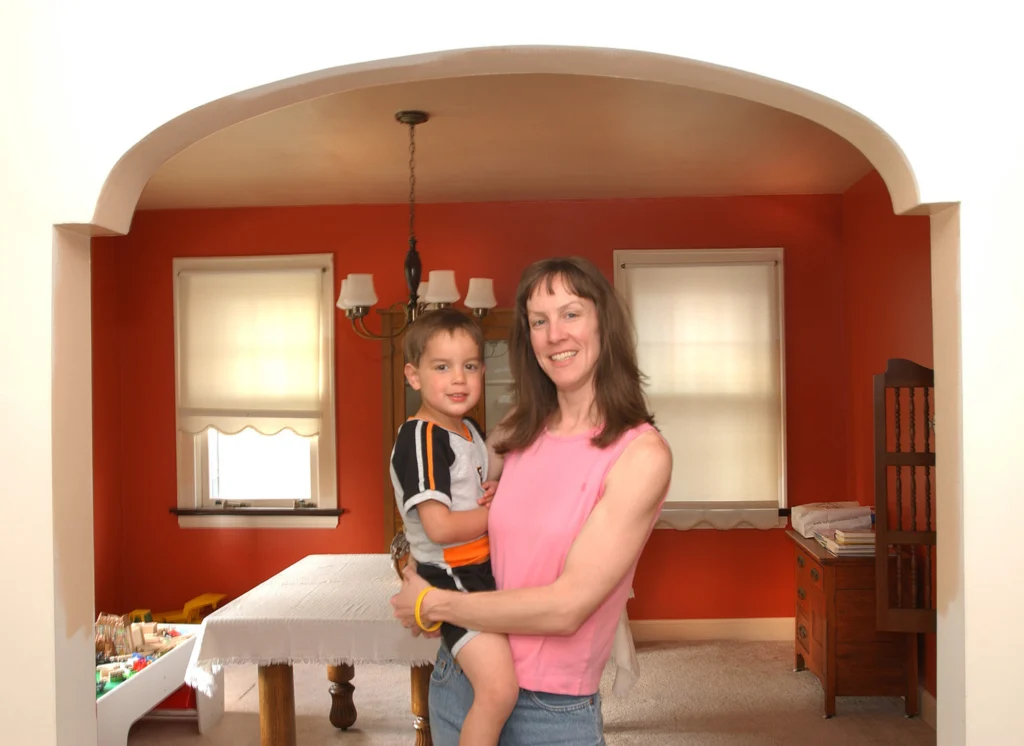
HUD defines two different programs permanent housing, which may be a bit confusing. One offers short-term rent help with a case manager attached. The second does not have a end date and is designed for people with a disability.
The film Home follows Treger Strasberg, who founded Humble Design after a friend in Detroit lost her housing over a $25 rent hike and the focus is creating a home not just a place to stay creating a more permanent solution.
What is rapid re-housing?
HUD defines rapid re-housing as short-term rent help of up to three months and medium-term help of 4 to 24 months, paired with case management.
HUD states that it does not require an individual have a disability to qualify, though participants must meet the criteria of whichever funding notice pays for the program.
They require the tenant to hold a one-year lease. Participants meet a case manager at least once a month, and services may continue for up to 6 months after the rental assistance ends.
What is permanent supportive housing?
Permanent supportive housing has no end date in HUD’s definition. It is permanent housing where housing assistance and supportive services are provided together, so households with a member who has a disability can reach housing stability.
Eligibility is narrower under HUD’s rules. At least one household member, adult or child, must have a disability, and projects apply further criteria from the funding notice they were awarded under, such as chronic homelessness.
The Community Preventive Services Task Force calls the model time-unlimited housing. Nobody ages out of it at month 24.
Which one actually keeps people housed?
Rapid re-housing moves people fast, and HUD measured how fast. In its research, 57 percent of households are engaged within 2 weeks, and 71 percent of programs saw less than 6 weeks between engagement and move-in.
Placement is also working, and the same HUD research reported rates of 82 to 84 percent for HPRP-funded programs and 70 to 79 percent for SSVF programs.
Veterans Administration data in that research showed a one-year return rate of 16 percent for individuals and 9 percent for families.
The National Alliance to End Homelessness sets the bar communities aim at. At least 85 percent of households that leave a rapid re-housing program for permanent housing should not become homeless again within a year.
Households should reach permanent housing in an average of 30 days or less.
Permanent supportive housing is measured over years instead, and reviewing 13 studies, the Community Preventive Services Task Force found a median 41 percent greater housing stability for clients with a disabling condition.
Across 5 studies the same review found a median 88 percent greater decrease in homelessness for that group.
Where does rapid re-housing fall short?
HUD’s own researchers were blunt about the limits, writing that links to employment services appear to have little value because barriers to work are simply too extensive.
For people with severe mental illness or substance use disorders, HUD’s researchers found that rapid re-housing as currently implemented does not appear to focus sufficiently on access to specialized services.
HUD compared the two directly, and reported that a long-term rent subsidy was much more effective than rapid re-housing in almost all respects in promoting housing stability.
HUD’s research adds that a subsidy needs to last more than a few months to make housing affordable.
Why the families Humble Design furnishes stay housed
Treger Strasberg names the part the federal numbers skip. Everybody wants to get people housed, she says in the film, but if they don’t stay housed, that’s not great. Social workers see the same families, and then generations of families, coming back through the system.
Humble Design furnishes a home for a family leaving homelessness, and she says 98 to 99 percent of those families are still in the same house after one year.
Families going back into homelessness within 12 months hovers around 50 percent, as she puts it in the film.
Her 50 percent and the Veterans Administration’s 16 percent do not describe the same households.
What should you ask about a program in your city?
Ask how long the help lasts, because HUD caps rapid re-housing at 24 months and puts no cap on permanent supportive housing.
Ask who qualifies, because HUD’s disability requirement is what separates the two on paper, and it decides which families a program can serve at all.
Ask what happens after the money stops, and whether the program can report the National Alliance to End Homelessness benchmark about itself, 85 percent still housed a year later.
Read next, Why do families end up back on the street after they get housing? and Why does furniture matter for families leaving homelessness?, and more on this subject sits in the Homelessness hub, alongside Evicted: Poverty and Profit in the American City, the documentary Lead Me Home, and The Furniture Bank Network.
Frequently Asked Questions
What is the difference between rapid re-housing and permanent supportive housing?
The main difference is time and eligibility. Rapid re-housing gives short-term assistance of up to three months and medium-term assistance of 4 to 24 months, and HUD does not require a disability to qualify. Permanent supportive housing has no time cap and requires at least one household member with a disability.
How long does rapid re-housing last?
Rapid re-housing runs up to 24 months. HUD defines it as short-term assistance of up to three months and medium-term assistance of 4 to 24 months, and services may continue for up to 6 months after the rental assistance ends.
Do you need a disability to qualify for rapid re-housing?
No. HUD states that it does not require an individual have a disability to qualify for rapid re-housing, though participants must meet the criteria of the funding notice that pays for the program.
How many people stay housed after rapid re-housing?
The National Alliance to End Homelessness sets the benchmark at 85 percent. At least 85 percent of households that exit a rapid re-housing program to permanent housing should not become homeless again within a year.
Which works better, a short-term subsidy or permanent supportive housing?
HUD reported that a long-term rent subsidy was much more effective than rapid re-housing in almost all respects in promoting housing stability. Reviewing 13 studies, the Community Preventive Services Task Force found a median 41 percent greater housing stability for permanent supportive housing clients with a disabling condition.